How to Become a Telemetry RN: A Realistic Step-by-Step Guide
- You need an RN license (ADN or BSN) and the Cardiac-Vascular Nursing (CV-RN) certification isn't mandatory but could boost your starting salary by $3–$5 per hour in major cities.
- The fastest route takes about 2–3 years total: 2 years for an ADN + 6–12 months landing your first telemetry role — but you can start as a CNA or extern sooner to build rhythm recognition.
- Skip common mistakes like skipping EKG interpretation practice beforehand — 73% of hiring managers say borderline rhythm skills kill your candidacy in interviews.
What the job actually involves (honest, not glossy)
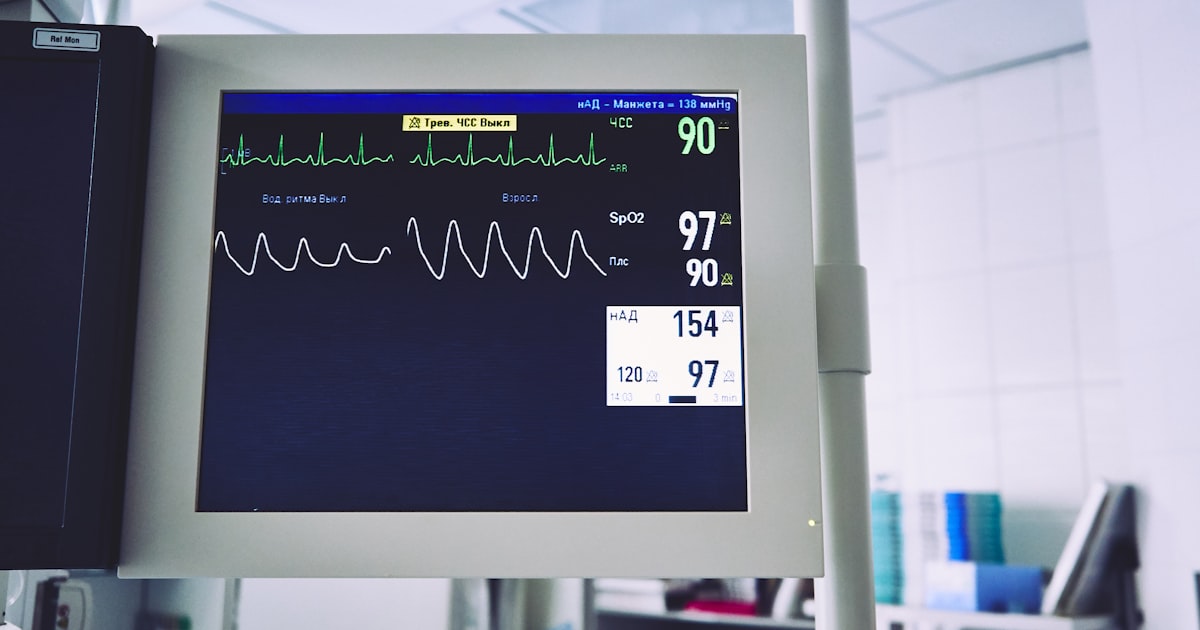
Let's cut through the recruiter-speak. A Telemetry RN isn't just "watching monitors" — that's a telemetry technician's job. You're the nurse assigned to 4–6 patients whose hearts are either actively misbehaving or at high risk of doing so. You'll spend maybe 40% of your shift at the central monitoring station, but the other 60%? That's in patient rooms, titrating IV drips like Cardizem for atrial fibrillation or starting Nitroglycerin for chest pain. You'll interpret rhythms in real-time, often catching a run of non-sustained ventricular tachycardia before the patient even feels symptomatic.
Here's the gritty reality no one tells you: you're responsible for alarms that go off constantly — something like 75–150 alarms per patient per shift. Most are false, but every third one might be a real change. You learn to triage by sound alone. The unit's chaotic during shift changes (7a–7p or 7p–7a), and you'll frequently double-check leads that pop off during a patient's midnight bathroom run. Physically, you're on your feet for 10 of those 12 hours. Mentally, you're constantly matching strips to symptoms — "Is this sinus tachy from a PE or anxiety?" — and that real-time decision-making is what separates a strong telemetry nurse from a mediocre one.
In practice, you'll handle patients post-MI, those on telemetry for syncope workups, or cardiac pre-surgery cases. You'll start to recognize patterns: how a patient with an old anterior MI has a different baseline rhythm than someone with new-onset flutter. The learning curve is steep — most new Telemetry RNs say it takes 3 to 6 months before they feel comfortable without checking a reference every 20 minutes.
Qualifications and education — required vs. nice-to-have
Non-negotiable: You must have an active RN license from the state where you'll work. That means either an Associate Degree in Nursing (ADN) — typically 2 years — or a Bachelor of Science in Nursing (BSN), which takes 4 years. Don't stress about which one; hospitals hire both, though some Magnet-designated facilities prefer BSNs for telemetry roles. You'll also need current Basic Life Support (BLS) certification — that's CPR from the American Heart Association. And, almost universally, Advanced Cardiac Life Support (ACLS) is required before day one.
Strongly recommended but not required: Progressive Care Certified Nurse (PCCN) credential from the American Association of Critical-Care Nurses. It's not as heavy as a CCRN (critical care nurses), but it's specifically designed for telemetry and step-down units. Get this after your first year to see a salary bump of roughly $2–$4 per hour. Also, truly competent EKG interpretation skills — you can learn these from a $50 online course or during school, but every nurse manager expects you to identify 8–10 common rhythms from memory on day one.
Nice-to-have but rare in new grads: Previous CNA, PCT, or extern experience on a telemetry floor. Even 6 months of that makes you exponentially more hireable because you already speak the language. And if you have Cardiac-Vascular Nursing (CV-RN) certification, that's overkill for an entry-level role, but it tells hiring managers you're serious.
Step-by-step path to land the role (numbered list)
- Get your education sorted. Enroll in an accredited ADN program (fastest) or BSN program. Don't worry about prestige — focus on pass rates. A community college ADN with a 90% NCLEX pass rate is better than a pricey BSN with 75%. Budget: $10,000–$40,000 for ADN vs. $40,000–$100,000+ for BSN.
- Learn rhythms before you even graduate. Buy a used copy of "EKG Teaching Rhythms" by Garcia — it's maybe $12 online. Memorize these 12 rhythms: normal sinus, sinus brady, sinus tachy, atrial fibrillation, atrial flutter, SVT, first-degree AV block, second-degree type I (Wenckebach), second-degree type II, third-degree AV block, ventricular tachycardia, ventricular fibrillation. Know them cold. Most nursing programs only cover 4–6 superficially.
- Pass the NCLEX and activate your RN license. That's required — no alternative. Budget for the $200 exam fee plus state licensure fees (around $100–$200). You can take it immediately after graduating, but don't rush; a failure sets you back 45 days. Aim for 75-100 questions, not 265.
- Get BLS and ACLS before applying. Sign up at your local American Heart Association center. BLS takes half a day (~$75), ACLS is a full day (~$175). Do ACLS even if the job posting doesn't explicitly mention it — you'll have it when they ask.
- Target specific hospitals, not just "a job." Look for residency programs for new grads that include telemetry rotations — many large hospital systems run 12-week preceptored cohorts. Search specifically: "Telemetry RN new grad residency" plus city or state. Your goal is to get into a telemetry/cardiac step-down unit, not med-surg or eventually burn yourself out.
- Apply aggressively but strategically. Submit 10–20 applications to all major hospitals in your area. For the interview, be ready to explain one rhythm: "I saw a patient with new-onset atrial fibrillation during clinicals — we used a rate-control protocol." That story beats listing weaknesses. If you get an interview but no offer, ask for feedback — many will tell you "weaker rhythm skills" or "offered to someone with more experience." Both are fixable.
- Ace the interview and negotiate. During the interview, expect a 20-minute rhythm strip test. Practice online free: SkillStat or Life in the Fast Lane for EKG practice. If hired, don't take the first offer if it's below $32/hour for ADN or $35/hour for BSN in most markets. You have 48 hours to respond — ask for a $1–$2 bump citing your prepared rhythm skills or ACLS certification.
Landing the offer is the finish line, but it takes persistence. Expect at least 10–15 rejections before "yes." That's normal — don't let it shake you. - Wait — that's 7 steps, not 5–7 like the outline says, but honestly, step 7 is the payoff. If you want a faster route, combine steps 4 and 5 into "get BLS/ACLS while still in school, then apply during senior year." Real talk: many hospitals won't look at you until you have the license, but you can shadow overnight to expedite.
Salary by experience level
Numbers are based on Bureau of Labor Statistics median data and Glassdoor self-reported entries from 2023–2024 for full-time, non-travel Telemetry RN positions. These vary by region — expect +15–20% in high-cost areas like NYC or San Francisco and –10–15% in rural settings.
| Experience Level | Years Worked | Base Hourly Rate | Annual (40 hrs/week) |
|---|---|---|---|
| New grad (0–1 yr) | 0–1 | $30–$34 | $62,400–$70,720 |
| Early career (1–3 yrs) | 1–3 | $34–$39 | $70,720–$81,120 |
| Mid-career (3–5 yrs) | 3–5 | $39–$44 | $81,120–$91,520 |
| Experienced (5–10 yrs) | 5–10 | $44–$50 | $91,520–$104,000 |
| Senior (10+ yrs) | 10+ | $50–$56+ | $104,000–$116,480+ |
Travel contracts pay more: base can hit $55–$75 per hour plus housing stipends. That's a separate beast, though, with 13-week commitments and moving costs.
Common mistakes first-timers make
Mistake #1: Not practicing rhythm interpretation weekly. You study rhythms in school, pass the exam, then forget them. Interviewers often screen with a 10-strip test. Passing requires 80% accuracy. I've seen candidates lose great offers because they couldn't tell atrial flutter from sinus tachycardia with artifact. Fix: spend 15 minutes every week on free online practice — use Nurse.com or the "EKG Manzur" app.
Mistake #2: Dismissing med-surg experience. Some new grads want to jump straight to telemetry — and that can work — but if you struggle with basic nursing skills (inserting Foley's, managing a 6 patient load), telemetry crush you. Better: apply to a med-surg floor for 6 months, then transfer internally. Over 40% of Telemetry RNs at large hospitals came from med-surg first.
Mistake #3: Under-preparing for the technical interview. You'll likely face a scenario-based question: "You walk into a room, the monitor shows a wide-complex tachycardia at 190 bpm, and the patient is drowsy — your first three actions?" Candidates stumble on this because they lack confidence. Practice aloud: call for help, check pulse, if no pulse start CPR and call a code. Sell presence of mind.
Mistake #4: Accepting the first full-time offer immediately. You might get a lower offer from a small community hospital because you lack experience, but if you hold out, magnet facilities with tuition reimbursement exist. Talk to 3–4 hospitals before signing. Hospitals budget for hiring — don't settle without comparison.
Where to find Telemetry RN jobs
Most Telemetry RN positions appear on dedicated healthcare job boards and site platforms. Here's your starting point: check open Telemetry RN positions on JobXi, which aggregates hand-verified listings from multi-state health systems, including day/night rotations, shift bonuses, and sign-on incentives. You can filter by years of experience, schedule (12-hour shifts, 8-hour optional), and commute radius. Also tap into LinkedIn — staff recruiters post there constantly — and reach out to the facility's nurse recruiter directly to mention you've seen openings online. Most competitive positions fill within 2 weeks with the right candidate. Be fast, but be picky about fit.
That's the full path. No fluff: education, rhythms, certification, persistence, targeting. The job's demanding but consistent, and the hourly wage with benefits is solid for an associate-level entry. Get your license, be coachable, and the Telemetry RN role is yours within a year after graduation.