How to Become a Pilot: A Realistic Step-by-Step Guide
- You don't need a college degree to start, but you must pass an FAA medical and earn a Commercial Pilot License (CPL) — budget $70,000–$100,000 for training.
- Most pilots start as flight instructors to build 1,500 hours for an Airline Transport Pilot (ATP) certificate; expect 2–5 years of low pay ($25,000–$40,000) before hitting the airlines.
- Job prospects are strong: the FAA projects 14,500 new pilot openings annually through 2035, but competition for major airline slots remains fierce.
What the job actually involves (honest, not glossy)
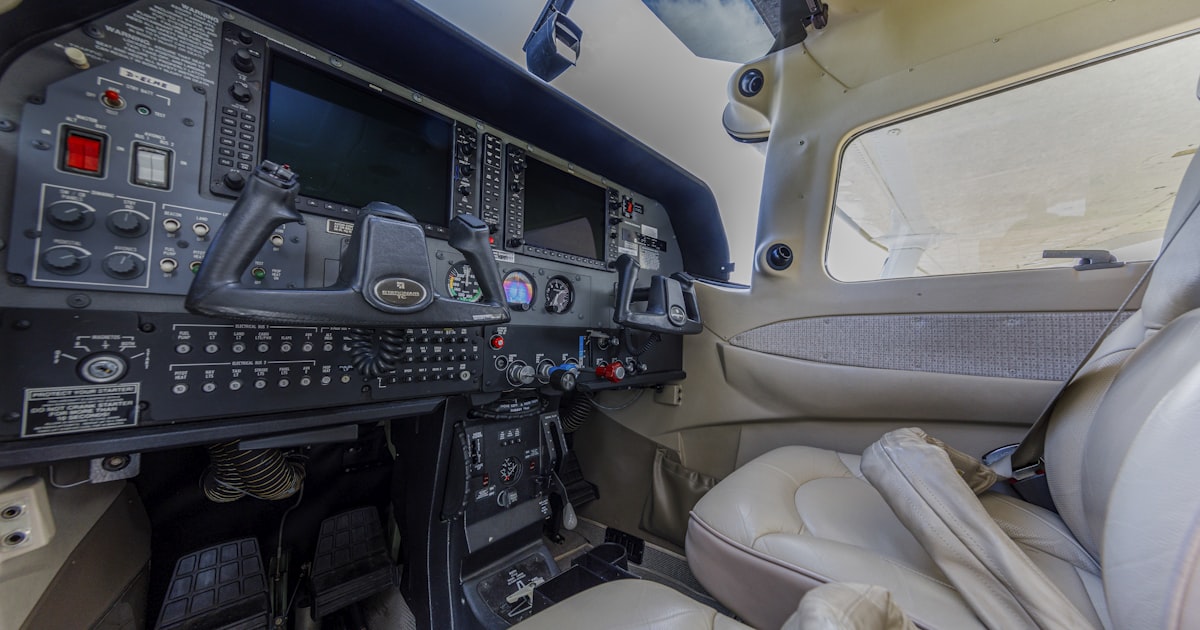
Let's be real — being a pilot isn't all scenic views and first-class upgrades. The core job is managing complex machinery, making constant decisions, and dealing with irregular schedules. You're responsible for the safety of 50 to 300 people, often in cramped cockpits with zero natural light during long hauls.
Day-to-day, you'll spend hours running pre-flight checklists, communicating with air traffic control, monitoring weather updates, and handling systems like hydraulics and pressurization. The glamour? You'll sleep in hotel rooms 180–200 nights a year, miss holidays, and deal with jet lag that wrecks your sleep cycle. For regional pilots, the first few years often mean living on standby — you might get called at 3 AM for a 6 AM departure.
Multi-crew operations demand intense teamwork. You and your co-pilot will have to synchronize every move, from throttle adjustments to emergency checklists. Stress levels spike during bad weather, mechanical issues, or medical emergencies onboard. But here's the trade-off: when everything clicks, there's nothing like the satisfaction of a perfect landing after a 12-hour transcontinental flight.
Qualifications and education — required vs. nice-to-have
The FAA doesn't require a four-year degree to hold a pilot certificate. That's a surprise to a lot of people. What you absolutely need is a First-Class Medical Certificate — without it, you can't sit in the left seat at a commercial airline. This medical exam tests your vision, hearing, cardiovascular health, and mental fitness. Around 15% of initial applicants fail, typically due to uncorrected vision, blood pressure issues, or medication conflicts.
Required certifications are non-negotiable:
- Private Pilot License (PPL) — minimum 40 flight hours, though most people need 60–70
- Instrument Rating (IR) — lets you fly in clouds and low visibility
- Commercial Pilot License (CPL) — requires 250 total flight hours
- Airline Transport Pilot (ATP) — requires 1,500 hours and strict written/practical tests
Nice-to-have qualifications? An associate's or bachelor's degree in aviation, aerospace, or a STEM field gives you an edge at majors like Delta or Southwest — about 80% of new hires at legacy carriers have degrees. Foreign language skills (Spanish or Mandarin especially) help for international routes. A background in engineering or aviation maintenance proves you understand systems beyond the controls.
Step-by-step path to land the role
Here's the realistic route, start to finish. Count on 3–5 years to reach an airline cockpit, assuming full-time dedication.
- Get your medical certificate first — Before spending a dime on flight training, schedule an FAA medical exam. This filters out major disqualifiers early. If you fail, don't bother with step 2.
- Earn your Private Pilot License — Enroll in a Part 61 or Part 141 flight school. Part 141 is more structured (good for veterans using GI Bill), Part 61 is more flexible. Budget $10,000–$15,000 for this phase. Plan on 60–70 hours of flight time, which includes solo cross-country flights.
- Build hours with an Instrument Rating — This takes another 40–50 hours of simulated instrument time. It's arguably the toughest part — you learn to trust instruments over your gut. ADD associated costs: $8,000–$12,000.
- Earn your Commercial Pilot License — At 250 hours minimum, you can pass the CPL checkride. This involves complex maneuvers like chandelles and lazy eights. Cost: $20,000–$30,000, depending on the school.
- Become a Certified Flight Instructor (CFI) — Almost everyone does this. You'll build the 1,500 hours needed for the ATP while earning $25–$35 an hour. It's teaching basics to new students, which is repetitive but invaluable for your logbook. Expect 18–24 months of CFI work.
- Get your Airline Transport Pilot (ATP) certificate — At 1,500 hours, you take the ATP written exam (80% pass rate on first attempt) and a practical test. This is the final gatekeeper before applying to airlines.
- Apply and interview — Regional airlines like SkyWest, Envoy, or PSA hire most ATP-holders. The interview includes a simulator evaluation, technical quiz, and behavioral questions. If hired, you'll spend 2–4 years at a regional before moving to major airlines.
Salary by experience level
Compensation ramps dramatically. Here's a realistic breakdown for 2025, based on current collective bargaining agreements at U.S. regionals and majors.
| Experience Level | Typical Role | Annual Salary (USD) | Notes |
|---|---|---|---|
| 0–1 year | Flight Instructor | $28,000–$40,000 | Part-time or contract work; no benefits often |
| 1–2 years | Regional First Officer | $50,000–$70,000 | Some regionals offer sign-on bonuses up to $20k |
| 3–5 years | Regional Captain | $90,000–$120,000 | After upgrade to captain seat |
| 5–10 years | Major Airline First Officer | $150,000–$200,000 | Boosts with seniority; varied by airline |
| 10+ years | Major Airline Captain | $250,000–$350,000 | Widebody captains at Delta/United top this range |
Don't be fooled by the top-end numbers. For every Delta 777 captain earning $350k, there are hundreds of regional first officers pulling $55k and sleeping in airport terminals. The key message: expect five years of modest pay before the big jump.
Common mistakes first-timers make
First, many people assume the ATP rule doesn't apply to them or find loopholes. Wrong — since 2013, the 1,500-hour requirement is ironclad for passenger airlines. You can't skip it. Don't waste money on accelerated "guaranteed airline" programs that promise shortcuts.
Second, financial naivety kills careers. Flight training costs $70,000–$100,000 at most schools. Taking out private loans with 12% interest is a disaster. Use VA benefits, FAA-approved scholarships (AOPA offers $10k), or check state vocational grants. Avoid credit cards for training — three people I mentored are still paying 18% interest years later.
Third, neglecting medical issues leads to heartbreak. An aspiring pilot got her PPL, spent $35k, then failed the first-class medical for controlled high blood pressure. She'd already quit her accounting job. Always get the medical before signing up for anything.
Fourth, fixating on the major airline dream too early. People skip regionals, hold out for United or American, waste six months on job applications. Regional airlines are the pipeline — nobody jumps directly to a legacy carrier with under 2,000 hours. Swallow the first officer position at SkyWest; it's the concrete step.
Finally, poor networking habits. Every interview panel asks about your aviation network. If you've only talked to your instructor, that's a red flag. Go to NBAA conventions, join Women in Aviation International or the Organization of Black Aerospace Professionals, and submit at least 20 applications. Industry insiders get first crack at 40% of hiring slots.
Where to find pilot jobs
Start with regional airlines — that's the primary hiring pipeline for pilots. Major hubs like Dallas, Atlanta, and Chicago open the most positions because those airports host the largest bases. For example, you can explore open pilot roles on JobXi's Pilot positions page, which lists updated openings from regionals and cargo carriers. Set alerts for "First Officer" and "Regional First Officer" — those keywords yield the highest volume of legitimate listings.
Other solid resources: climbto350.com posts hundreds of US pilot jobs weekly; airline websites (Delta's career site, Southwest's pilot page) list direct applications; and FlightSafety International or CAE often hire instructors with CPLs. Don't overlook cargo carriers like FedEx or UPS — they're tough to get into but pay comparably well. Recent FAA data shows 58% of new regional hires came from online job boards, so comb those daily.
One last insider tip: many airlines hire in waves — typically February, June, and October. Submit applications 60–90 days before those windows to catch screening algorithms. Expect a 2-month turnaround from application to interview invite. The key is volume — 30 applications takes 10 hours, but it's the realistic path.
The path from zero hours to a paid cockpit seat is long and expensive, but the airline industry's pilot shortage ($100 billion in lost revenue annually due to cancelled flights) means demand is real. If you can commit to the 3-5 year grind and stomach the early salaries, the career offers uncapped earning potential and benefits that few jobs match. Start by booking your FAA medical exam — everything else follows.