How to Become a Oral Surgeon: A Realistic Step-by-Step Guide
- Becoming an oral surgeon takes 12-14 years after high school — it's one of the longest training paths in medicine, not a quick career switch
- You'll need a DDS/DMD (4 years), then a 4-6 year hospital-based residency that includes MD/MSc options, plus board certification exams
- Median salary for experienced oral surgeons is $400,000+ in 2025, but first-year associates often start around $180,000-$250,000 in private practice
What the job actually involves (honest, not glossy)
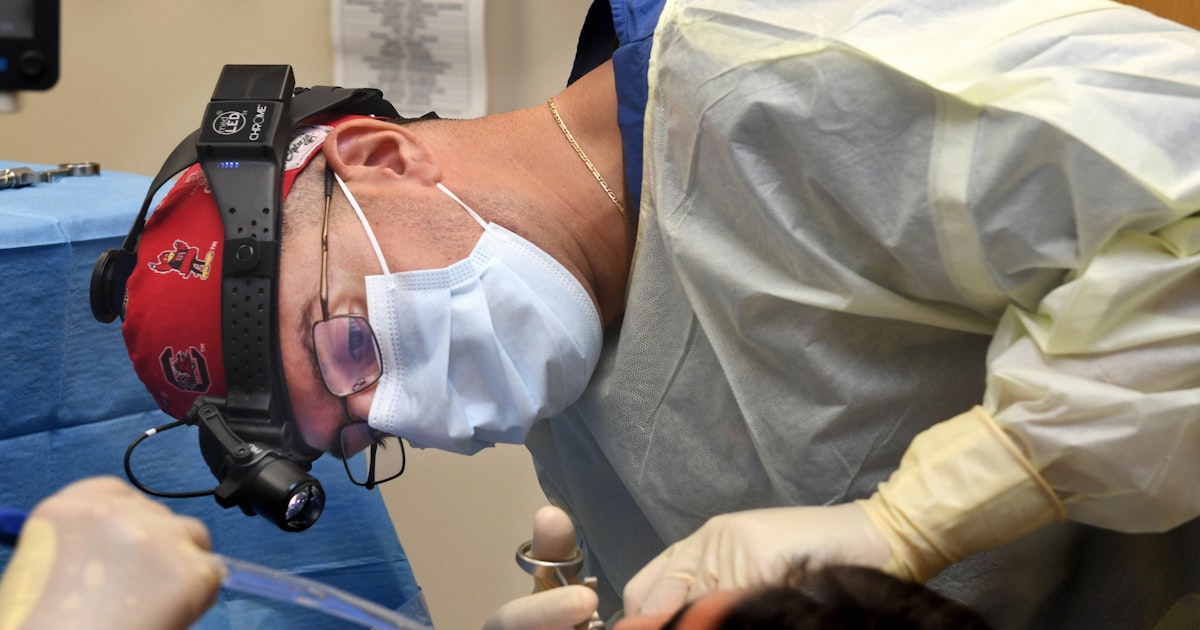
Let's be real — when people hear "oral surgeon," they picture someone yanking wisdom teeth all day. That's part of it, but it's a fraction of the actual work. Oral and maxillofacial surgeons (OMFS) manage complex surgical problems of the mouth, jaws, face, and neck. You're operating on bone, soft tissue, nerves, and sometimes even the airway.
Here's what a typical week might look like for a practicing oral surgeon:
- Extractions and wisdom teeth — probably 30-40% of cases, especially early in your career
- Dental implant placement — single implants to full-arch reconstructions, sometimes with bone grafting
- Corrective jaw surgery — moving maxilla, mandible, or both to fix bite issues, sleep apnea, or facial asymmetry
- Facial trauma — repairing fractured jaws, orbital floors, or facial lacerations in the ER
- Pathology cases — removing cysts, tumors, or doing biopsies of oral lesions
- TMJ disorders — arthrocentesis, arthroscopy, or open joint surgery for severe cases
The reality is that your day can pivot from routine to emergency in five minutes. One minute you're placing an implant, the next you're handling a hemorrhaging extraction socket or a pediatric facial trauma case. You'll need steady hands, good spatial reasoning, and the emotional stamina to deal with anxious patients (and parents of young patients).
Most oral surgeons work in private practice (about 60%), but hospital-based practices and academic centers are common too. You'll typically see 10-20 patients a day, with surgical cases lasting 30 minutes to 4 hours. Weekend call can vary — rural surgeons often take more call, while urban multi-surgeon groups share the load.
Qualifications and education — required vs. nice-to-have
The requirements are non-negotiable. Here's the breakdown:
| Requirement | Required or Nice-to-Have? | Details |
|---|---|---|
| Bachelor's degree (4 years) | Required | Strong science GPA (3.5+), pre-dental coursework (bio, chem, physics, organic chem) |
| DAT exam score | Required | Competitive programs look for 20+ (out of 30) on Academic Average |
| DDS or DMD degree (4 years) | Required | From an ADA-accredited dental school; top 25% of class preferred |
| OMFS residency (4-6 years) | Required | Includes general surgery rotations, anesthesia training, and surgical OMFS cases |
| MD or MSc (optional track) | Nice-to-have | Many 6-year programs award an MD; 4-year programs may offer a research MSc |
| Oral surgery board certification | Required | Pass the American Board of Oral and Maxillofacial Surgery (ABOMS) exams |
| State dental license + DEA registration | Required | Each state has its own license; some require additional OMFS endorsements |
| Research publications | Nice-to-have | Strengthens residency applications if targeting academic programs |
| ATLS, ACLS, PALS certifications | Required | Mandatory for operating room privileges and emergency care |
Here's the thing: the path is long, but the alternative routes are limited. You can't shortcut to OMFS. A few dentists attempt a "mini-residency" in implants — that's not becoming an oral surgeon. Real OMFS training requires hospital-based surgical volume, general anesthesia depth, and bone-grafting experience that courses can't provide.
Step-by-step path to land the role
- Complete a pre-dental bachelor's degree (4 years)
Major in biology, chemistry, or biochemistry. Maintain a GPA above 3.5. Shadow at least 2-3 oral surgeons for 100+ hours. Take the DAT in your junior year. Apply to 8-12 dental schools through AADSAS. - Earn your DDS or DMD (4 years)
Excel in the first two years of basic sciences. Use third and fourth years to maximize surgical exposure — take OMFS electives, assist in the dental school's oral surgery clinic, and publish a case report if possible. Score in the top quartile of your class. - Match into an OMFS residency (application cycle in D4 year)
Participate in the PASS application and Match process. There are roughly 120 residency positions in the US per year. You'll need strong letters from OMFS faculty, a high class rank, and interview well. Most programs require a 4-year or 6-year commitment. - Complete OMFS residency (4-6 years)
You'll rotate through anesthesiology, general surgery, plastic surgery, ENT, and surgical ICU. Expect 70-80 hour weeks. You'll log 500-900+ surgical cases by graduation. Six-year programs include MD-granting medical school years 1-2. - Pass board exams (ABOMS)
Take the written qualifying exam after residency. Then the oral certifying exam 1-2 years later. Full certification requires ongoing MOC (maintenance of certification) every 10 years. - Obtain state licensure and hospital privileges (3-6 months)
Apply for your state dental license with OMFS endorsement. Get credentialing at 1-2 hospitals for trauma call and inpatient OR access. Register with the DEA for controlled substances. - Start practice — associate, group, or academic (immediate)
Most new oral surgeons work as associates for 2-5 years before buying into a practice or starting their own. Rural areas often offer signing bonuses ($30,000-$80,000) and loan repayment programs.
Salary by experience level
| Experience Level | Practice Setting | Typical Annual Compensation |
|---|---|---|
| Resident (PGY1-PGY4) | Hospital | $60,000 – $75,000 |
| First-year associate | Private practice group | $180,000 – $250,000 base |
| 3-5 years experience | Private practice (productivity-based) | $280,000 – $400,000 |
| 10+ years / partner | Private practice owner | $450,000 – $700,000+ |
| Academic (assistant professor) | University hospital | $180,000 – $250,000 |
| Rural hospital-employed | Hospital system | $350,000 – $550,000 |
| Multi-surgeon group partner | Large group practice | $500,000 – $800,000+ |
Keep in mind that compensation varies wildly by geography. Surgeons in the Northeast and West Coast earn slightly less due to saturation. Rural Midwest and Southern states often pay 15-25% more to attract talent. Production-based models mean busy surgeons earning $600,000+ while slower months hit $350,000.
Common mistakes first-timers make
1. Choosing a 4-year residency solely on ego. Some new grads assume faster is better. But 4-year programs don't grant an MD — which can limit hospital privileges and academic career options. If you want to do major reconstructive or trauma surgery, a 6-year MD-granting program gives you more flexibility. Don't undervalue this.
2. Neglecting anesthesia training depth. Oral surgeons who do moderate sedation and general anesthesia need to be comfortable managing airways, IV lines, and emergencies. Some residencies graduate surgeons with 50-80 anesthesia cases. Look for programs that require 200+ anesthesia rotations — you'll thank yourself when a patient starts desatting mid-extraction.
3. Taking the first associate job that offers a "guarantee." I've seen grads sign contracts with a $220,000 base but then realize their productivity bonus threshold is set impossibly high. Get the contract reviewed by a dental attorney. Look at production percentage (35-40% of collections is standard), call frequency, and non-compete clauses. Rural hospitals sometimes give $40,000 sign-on bonuses — but tie those to 3-year commitments.
4. Underestimating loan repayment. You'll graduate with $350,000-$500,000 in total student debt (dental school + possible medical school). The Public Service Loan Forgiveness (PSLF) program can help if you work at a non-profit hospital for 10 years, but that means taking a lower salary. Some private practices offer loan repayment as a benefit — ask for it.
5. Not building a referral network before graduating. Oral surgeons rely on general dentists and orthodontists for referrals. Start networking in residency. Attend local dental study clubs, introduce yourself at regional meetings, and send handwritten thank-you notes to referring dentists. One dental referral source can bring you $50,000-$100,000 a year in revenue.
Where to find Oral Surgeon jobs
The best job boards for OMFS are specialty-specific, but general healthcare platforms work too. Start with the American Association of Oral and Maxillofacial Surgeons (AAOMS) practice opportunities page. Hospital recruiter websites (PracticeLink, Merritt Hawkins) have surgical listings. For state-by-state searches, check state dental society classifieds — many rural areas advertise there exclusively.
For a streamlined search across multiple cities, JobXi aggregates oral surgeon positions from employer listings and hospital systems. Browse recent openings including open Oral Surgeon positions in San Antonio — that market has active postings from both private groups and hospital-employed models right now. National searches on JobXi filter by salary range, practice type, and call requirements so you can focus on opportunities that fit your priorities.
The path to oral surgery is demanding — you're looking at 12-14 years of education and training. But the combination of surgical autonomy, strong income potential, and the ability to profoundly change patients' lives (think: correcting a cleft palate, restoring function after a jaw tumor, or finally resolving someone's chronic pain) makes it one of the most rewarding specialties in dentistry. If you're willing to commit to the journey, the career will reward you.